Confirm that the surface is water-resistant
The procedure is intended for water-resistant lacquered floors. On an unknown or oiled surface, first make a test in a hidden spot.
Years of polishes and care products build a layer that is neither finish nor wood. Every further step begins with removing it.
Care coatings are meant to be renewed. If they are applied one over another without removal in between, a thick, uneven film forms that traps dirt, changes the sheen and prevents the adhesion of every new coating. Removal is therefore a condition, not an extra service.
Related topicsdeep cleaning parquet flooring · dull parquet
The procedure is intended for water-resistant lacquered floors. On an unknown or oiled surface, first make a test in a hidden spot.
Basic cleaning at a ratio of 1 : 4 to 1 : 6 with water; for local stubborn dirt 1 : 10. Work in manageable strips.
A short dwell time, then machine work. The solution must not dry out on the surface.
The dissolved dirt has to be removed while it is still wet, otherwise it dries back into a film.
A pass with clean water, then complete drying. A new coating or care only on a completely dry floor.
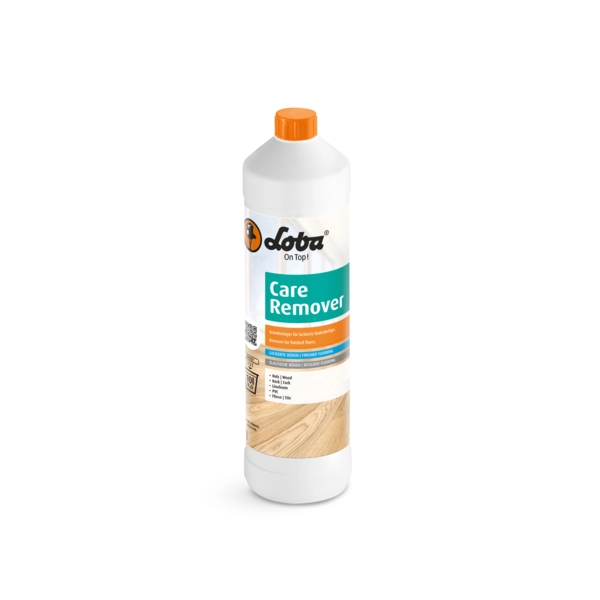
pH-neutral remover for old care-product layers and stubborn dirt.
Official LOBA site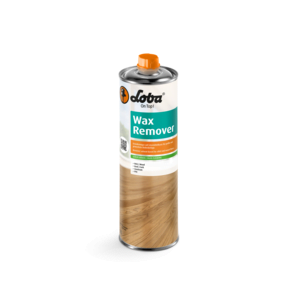
A solvent-based remover for old wax layers and stubborn dirt.
Official LOBA site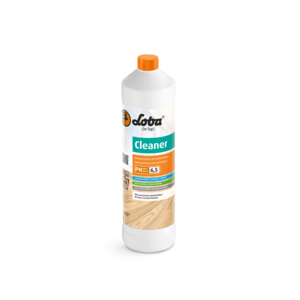
pH-neutral concentrate for routine damp cleaning of water-resistant surfaces.
Official LOBA site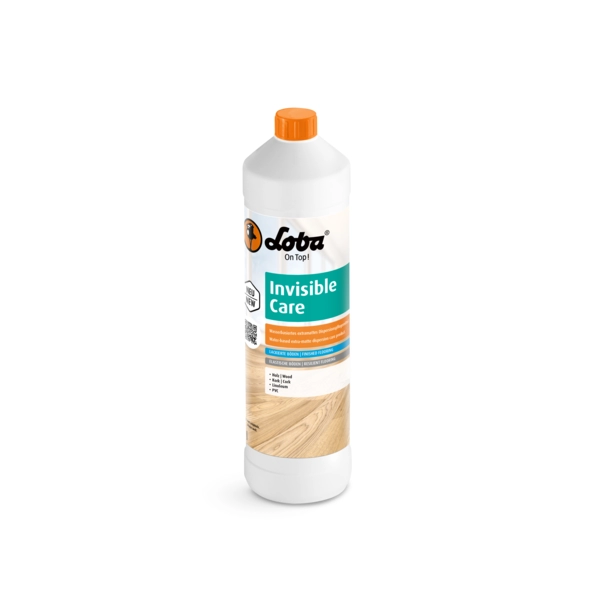
A water-based extra-matt care product that conceals light signs of wear and reduces dirt adhesion.
Official LOBA site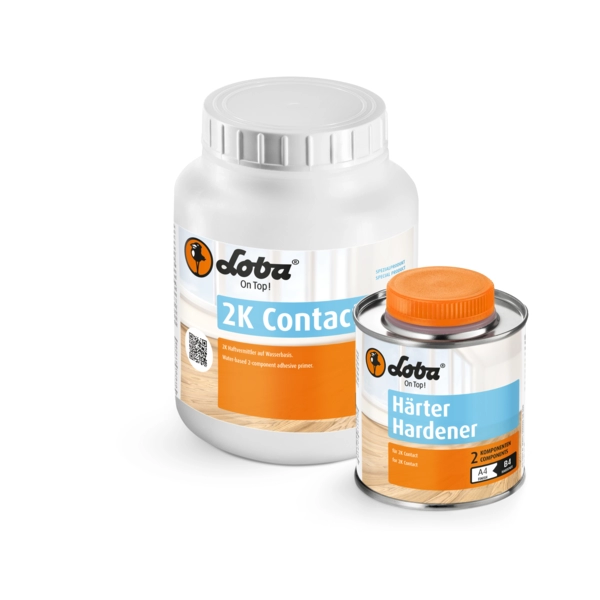
2-component water-based adhesion primer for recoating suitable factory UV-finished parquet without sanding the existing finish.
Official LOBA siteHeavy build-ups of care products may require several repetitions. The procedure is intended only for water-resistant surfaces; do not flood the wood and do not let water stand in the joints.
Open the directly related technical topic on parketmojster.si.
No. Only the care film is removed maintenance layer above the finish; the finish and the wood remain untouched. Sanding removes a layer of wood.
A residue of the product on the surface would prevent even drying and the adhesion of the next coat. A pass with clean water is part of the procedure, not an extra.
Technically yes, but visibly a boundary appears between the treated and untreated part. The whole connected surface is treated.
The surface type, depth of damage and previous care determine whether the correct route is cleaning, a maintenance layer, oil, 2K Contact or sanding.
Start with an assessment