Drop test
Water that soaks in quickly and leaves a darker outline means the water repellency is gone.
Oiled floors do not call for a coat once a year, but when four signs say the protection is used up.
The interval for maintenance oiling is set by wear, not by a date. A hallway and a kitchen use up the protection much faster than a bedroom, so a single interval for the whole flat makes no sense. Coats applied too early add up into a film, coats applied too late leave the wood open — both mistakes are costly in their own way.
Related topicscare for oiled parquet · localised renovation of oiled parquet
Water that soaks in quickly and leaves a darker outline means the water repellency is gone.
A dry look, matting and a greyish trail along the busiest paths are three further signs.
A penetrating oil, a factory UV oil and a hard-wax system do not accept the same care. On a non-absorbent surface, care oil stays on top.
ParkettSoap or an approved cleaner with a minimum of water; before oiling, the wood must be completely dry.
The excess does not dry, stays sticky and traps dirt. Removing the excess is part of the application, not an option.
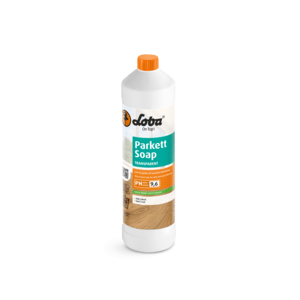
A parquet soap for routine and intensive cleaning of oiled or waxed wood surfaces.
Official LOBA site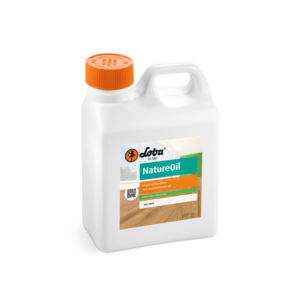
A water-based, solvent-free maintenance oil for whole-floor treatment or localised refreshing.
Official LOBA site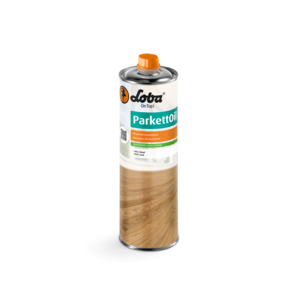
A maintenance oil for non-film-forming oiled surfaces and local repairs.
Official LOBA site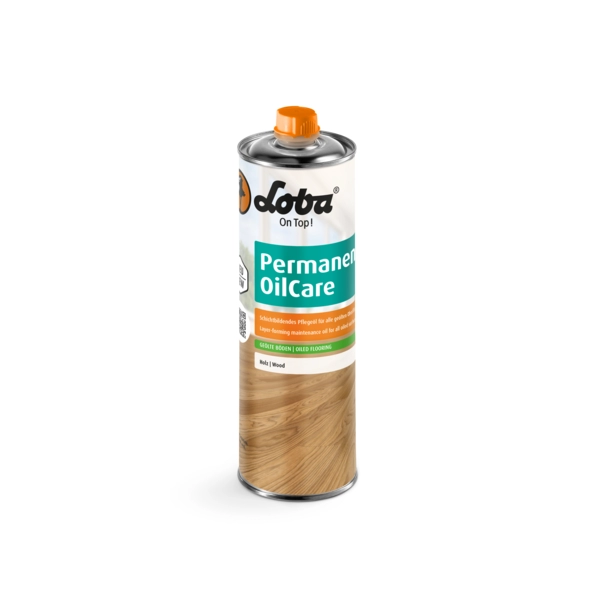
A film-forming maintenance oil that conceals fine scratches and extends the maintenance cycle.
Official LOBA site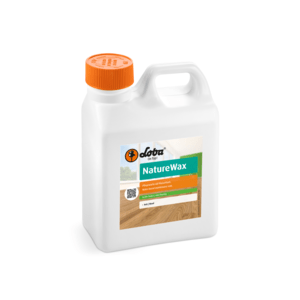
A water-based care wax for a thin protective layer on suitable oiled and waxed surfaces.
Official LOBA siteGrey, fibrous or deeply stained wood needs local or full sanding and a new impregnation, not just maintenance oil. Because of the risk of self-ignition, dampen oily cloths and pads with water or store them in a closed fire-safe container.
Open the directly related technical topic on parketmojster.si.
Not by the calendar. Wear decides: loss of water repellency, a dry look, matting and a greyish trail along the walkways. In a hallway this shows much sooner than in a bedroom.
The excess is not absorbed, stays on the surface, dries poorly and traps dirt. Removing the excess within the prescribed time is part of the procedure.
On natural unpigmented wood the transition is often almost invisible. On pigmented floors the difference in absorbency shows, so the whole connected surface is treated.
The surface type, depth of damage and previous care determine whether the correct route is cleaning, maintenance layer, oil, 2K Contact or sanding.
Start with an assessment